
Wisdom Tooth Extractions – Farmington Hills, MI
Wave Goodbye to Problematic Molars
Unfortunately, wisdom teeth are usually more harmful than helpful. So much so that having them removed is basically viewed as a rite of passage these days! The good news is that, if you need to have yours removed, you can turn to our talented, compassionate, and experienced dentist in Farmington Hills, Dr. Reem Saywa. You can also read on if you want to learn more about this emergency dental service, including what to expect during the recovery process.
Why Choose Radiant Dental for Wisdom Tooth Extractions?
- Top-Rated Dental Team
- State-of-the-Art Technology
- Affordable Payment Options
What Are Wisdom Teeth?
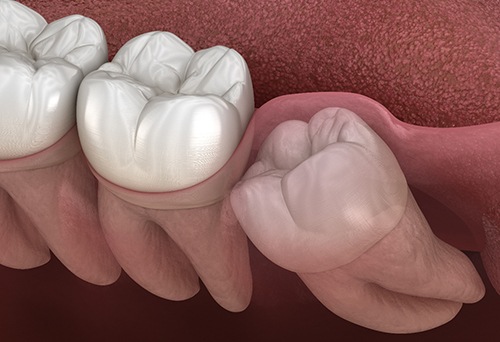
Simply put, wisdom teeth are the third set of molars. While the first two typically make an appearance in early childhood, these often emerge in the late teens or early twenties. Throughout the years, our dental team in Farmington Hills will monitor their development. If there comes a time when they start to cause problems or jeopardize your oral health, then we will recommend having them removed.
Why Do Wisdom Teeth Need to Be Removed?

Oftentimes, wisdom teeth need to be removed because they are impacted. However, there are other reasons to have them extracted. For instance, if they are growing in straight, but there isn’t enough room in your mouth for them, then cysts and infections can develop. So, if you’re between the ages of 16 and 25, and you’re experiencing chronic jaw pain and other warning signs of trouble, you shouldn’t hesitate to schedule an appointment with us so we can determine if you’d benefit from having your third set of molars removed.
What to Expect from the Wisdom Teeth Procedure

Both simple and surgical extractions can be used to remove your wisdom teeth. If yours have already broken through the gumline, then we can rock them back and forth until they are ready to be removed from the socket (a simple extraction). However, if they are impacted below the gumline, then we will need to intervene with a surgical extraction. This starts with us making a small incision in the gums to access the tooth. Then, we can remove it section by section before tending to the extraction site.
Important reminder: Your mouth will be thoroughly numbed beforehand to ensure you don’t feel any pain while we work to remove your wisdom teeth.
Recovering from Wisdom Teeth Extraction

Following the procedure, it’s important that you:
- Stick to a liquid diet for 24 hours (without using a straw)
- Change the gauze pads as needed
- Use a cold compress in 10-minute intervals
- Brush and floss carefully, especially around the extraction site
- Steer clear of all tobacco products
- Avoid strenuous exercise, like running
Wisdom Tooth Extractions FAQs
Why do we have wisdom teeth?
These third molars are so notorious for causing problems when they arrive that they’re extracted more often than not, leading some patients to question why we have them in the first place. Although the answer isn’t completely known, many experts believe that early humans developed them during a time when they survived no a tough diet of raw meats, roots, seeds, and berries, to replace any molars that had been damaged or dislodged during their youth.
Today, we have cooked food, utensils, and modern dental care, meaning we no longer need extra molars for survival. As a result, they’re often considered vestigial features that can be removed.
Does everyone have wisdom teeth?
Most people develop 4 of these extra teeth; one for each quadrant of the mouth. However, there’s no guarantee that you’ll grow all of them. Sources report that an estimated 55% to 65% of the global population grow fewer than 4, and nearly 35% never grow any!
Although the reason for this is also somewhat unclear, it’s believed that genetics likely plays a significant role. Research has shown that if your parents don’t grow all their wisdom teeth you are also more likely to develop fewer than 4.
Does wisdom tooth extraction hurt?
It’s natural to wonder whether having troublesome wisdom teeth removed might hurt, but Dr. Saywa understands you might be anxious and will do everything she can to help soothe your frayed nerves and help you get through your procedure successfully.
For example, our team will numb the area with a local anesthetic before proceeding, so you might feel pressure while we work, but not outright pain. That means you likely won’t need to worry about potential aches until after the procedure when this medication wears off.
Then, it’s normal to feel sore and swollen for several days, but this can often be addressed by applying a cold-compress or taking over-the-counter pain medications, such as acetaminophen or ibuprofen. If you experience severe or chronic discomfort that lasts a week or longer, please contact our office so we can ensure you’re healing as intended.
How can I address wisdom tooth pain?
Associated toothaches are one of the chief complaints among patients who are growing new wisdom teeth, so you’re not alone if you’re wondering what you can do to alleviate the throbbing in your mouth. But the only way to permanently address this symptom is to remove the root of the problem by having your wisdom teeth extracted.
With that said, there are things you can do to temporarily address swelling or soreness while waiting for your appointment date to arrive. For instance, you can press an ice pack to the tender side of your face for 15-mintues at a time for a temporary, numbing reprieve. You might also rinse your mouth with saltwater, or take the recommended dosage of over-the-counter solutions, such as ibuprofen or acetaminophen.
